These treks combine the cultural landscapes of the Sham region with high-altitude wilderness routes inside Hemis National Park.
Starting from villages like Lamayuru or Likir, the routes gradually move from lower-altitude trails into remote mountain passes, wildlife-rich valleys, and classic trekking routes like Markha Valley.
These are challenging, multi-day homestay treks designed for:
· Experienced trekkers
· Those seeking high passes (4,500m–5,200m+)
· Travellers looking for a deep cultural + wilderness experience
Some routes offer an “easy start” via Likir, allowing better acclimatisation before reaching higher terrain.

• Homestays in remote villages
• Basic facilities (no running water, compost toilets)
• Fresh, home-cooked Ladakhi meals
Explore the different routes available within this region. Each route offers a unique experience — from gentle introductions to challenging high-altitude crossings.
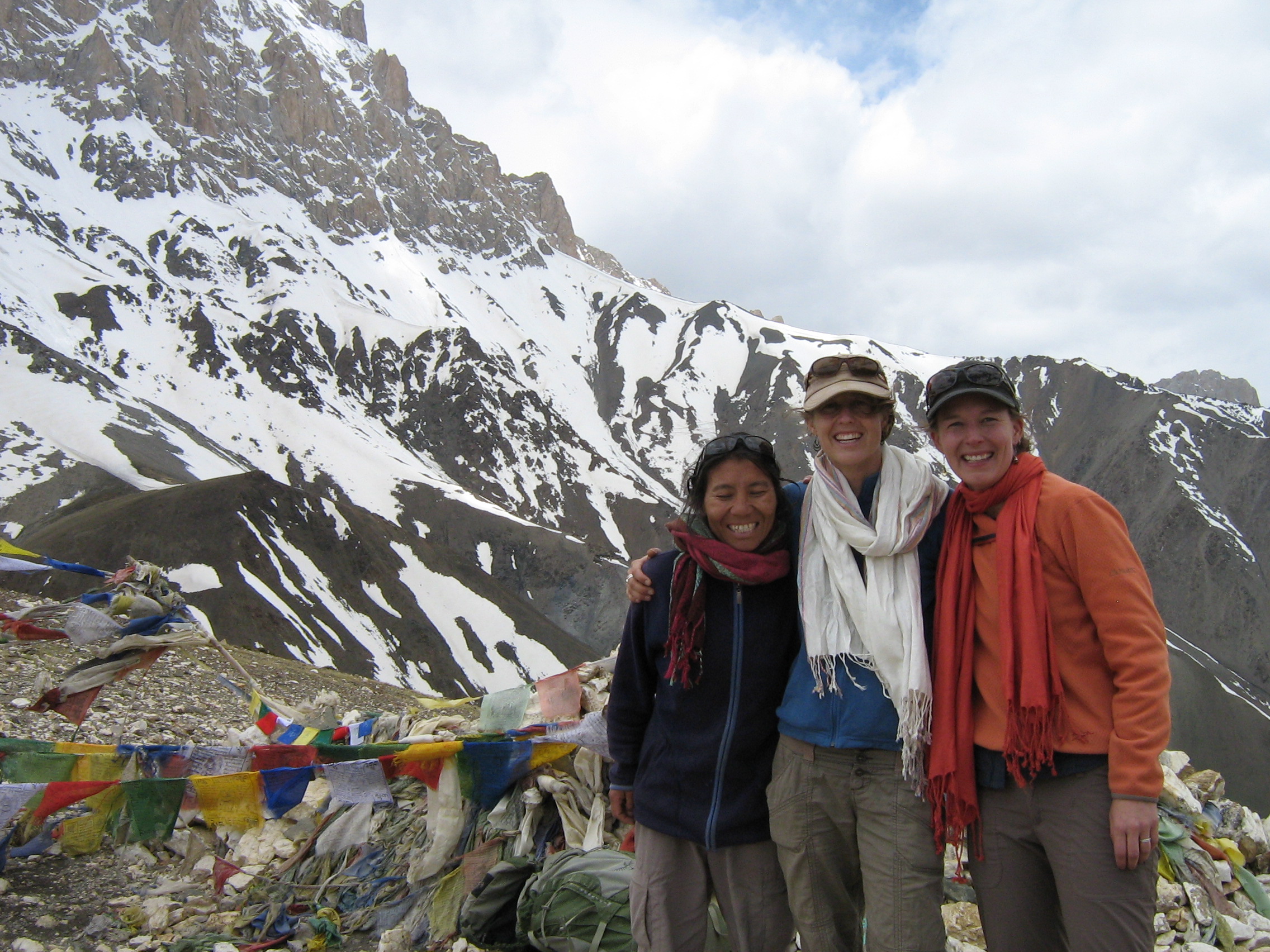
A shorter but demanding high-pass trek through remote terrain, ideal for experienced trekkers looking for a compact yet challenging route. '
Leh → Lamayuru (3,550m) → Wanla (3,170m) Drive to Lamayuru, visit monastery, cross Prinkiti La (3,730m), descend to Wanla. 3–4 hours.
Wanla → Urtsi (3,640m) Ridge walk via Bumiktse La (3,960m). Remote trails with mountain views. 6–8 hours.
Urtsi → Hinju (3,870m) Shorter day, gradual ascent and village exploration. 2–3 hours.
Hinju → Sumdah-Chenmo (3,940m) Steep climb to Konzke La (4,950m), descend to village. 9–11 hours.
Sumdah-Chenmo → Chilling (3,210m) → Leh Cross Lanak La (4,210m) and Dundunchen La (4,620m), drive back. 7–9 hours.
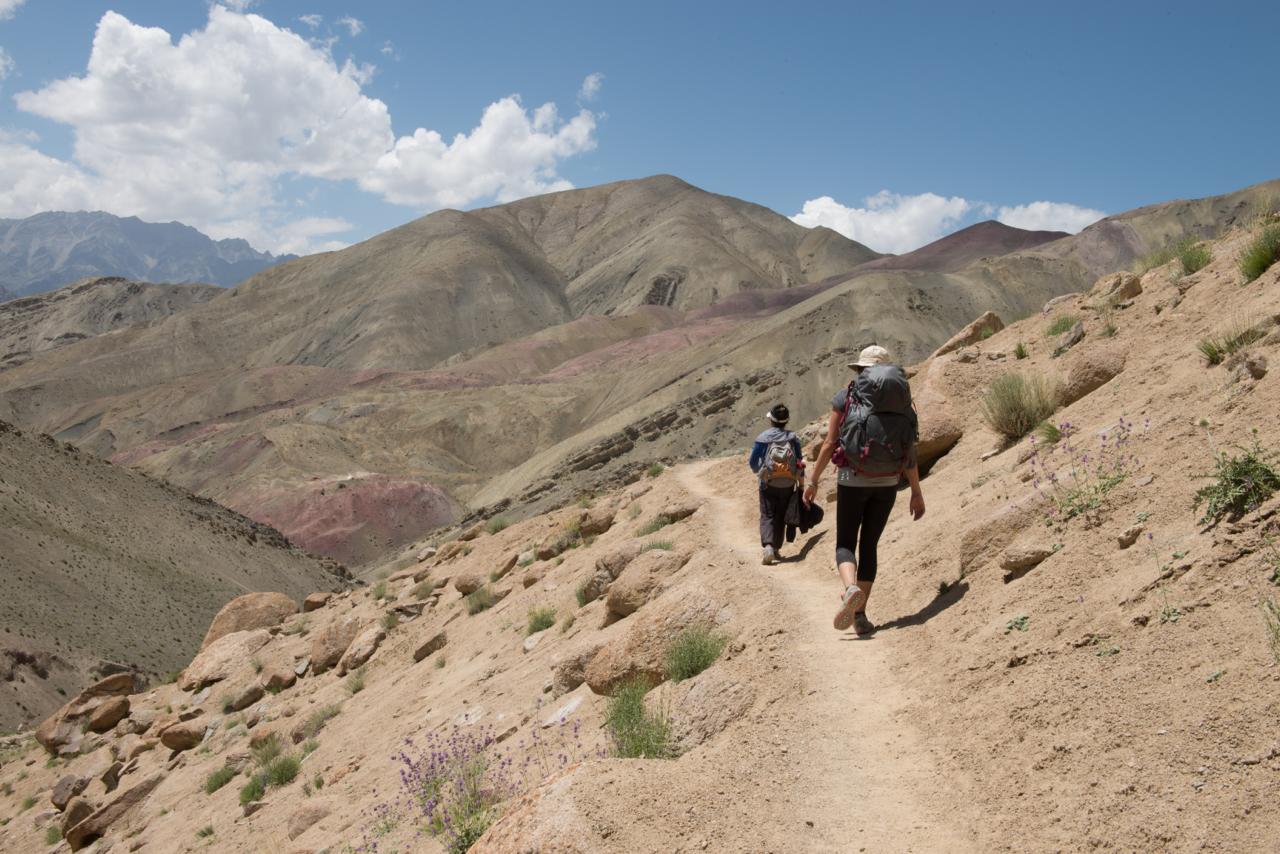
Extends the high-pass trek into Hemis National Park with wildlife-rich valleys and a Ganda La crossing.
Leh → Lamayuru (3,550m) → Wanla (3,170m)
Drive to Lamayuru, visit monastery, cross Prinkiti La (3,730m), descend to Wanla. 3–4 hours
Wanla → Urtsi (3,640m)
Ridge walk via Bumiktse La (3,960m). Remote trails with mountain views. 6–8 hours.
Urtsi → Hinju (3,870m)
Shorter day, gradual ascent and village exploration. 2–3 hours.
Hinju → Sumdah-Chenmo (3,940m)
Steep climb to Konzke La (4,950m), descend to village. 9–11 hours.
Sumdah-Chenmo → Chilling (3,210m) → Leh
Cross Lanak La (4,210m) and Dundunchen La (4,620m), drive back. 7–9 hours.
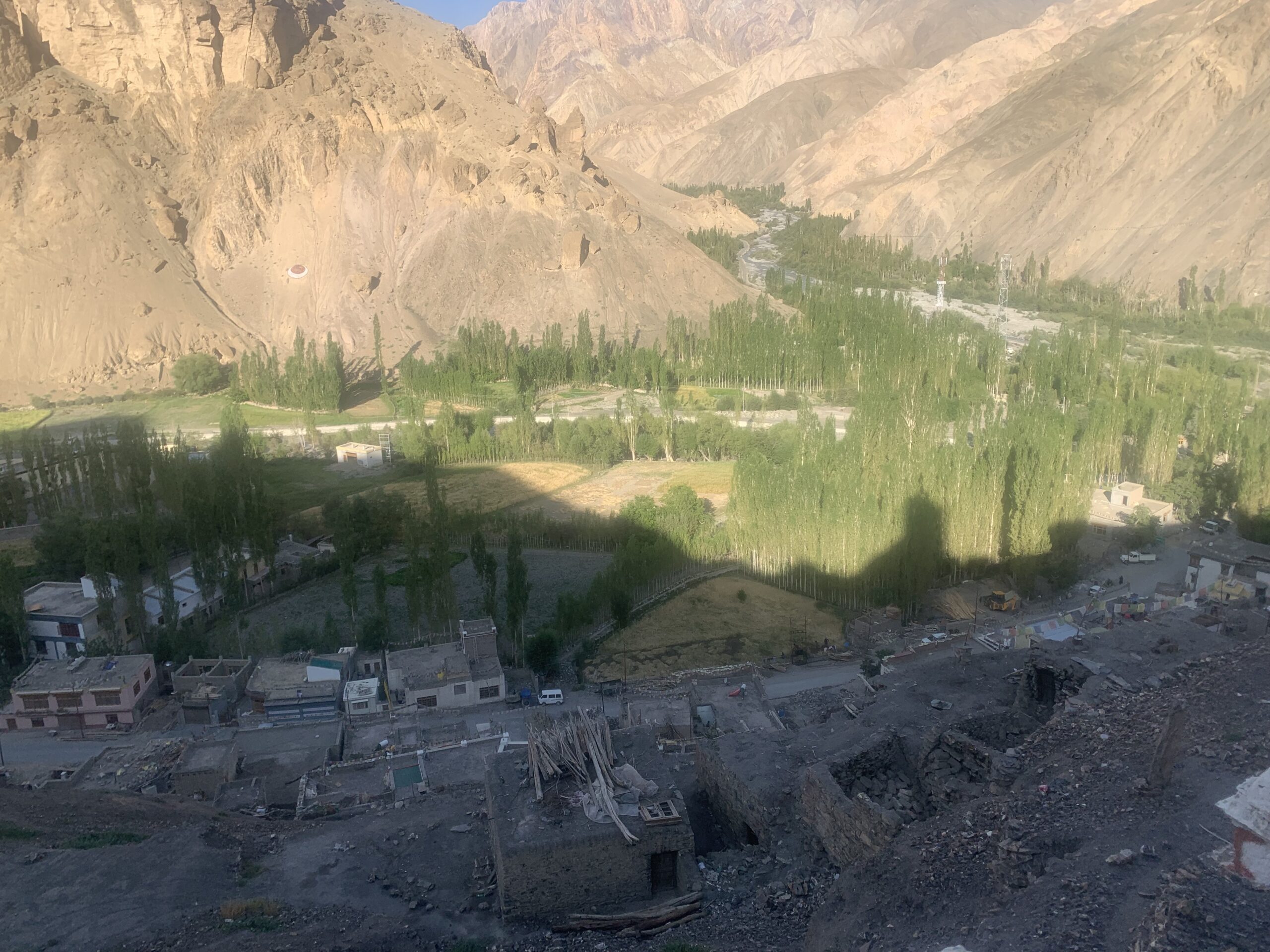
Begins with a gradual Sham valley section before joining the high-pass Lamayuru route.
Leh → Likir (3,530m) → Yangthang (3,590m)
Visit monastery, cross Pobe La and Charatse La. 4–6 hours.
Yangthang → Ang (3,400m)
Cross Sarmanchan La and Lago La. 6–8 hours
Ang (3,400m)
Acclimatisation walk via Temisgang and nearby villages. 5–6 hours.
Ang → Lamayuru → Wanla
Drive + trek over Prinkiti La. 3–4 hours.
Wanla → Urtsi (3,640m)
High ridge walk. 6–8 hours.
Urtsi → Hinju (3,870m)
Shorter recovery day. 2–3 hours.
Hinju → Sumdah-Chenmo (3,940m)
Cross Konzke La (4,950m). 9–11 hours.
Sumdah-Chenmo → Chilling → Leh
Cross Lanak La and Dundunchen La, drive back. 7–9 hours.

Adds a rest day and continues into Hemis National Park, ending at Jingchen.
Leh → Lamayuru (3,550m) → Wanla (3,170m)
Drive to Lamayuru, visit monastery, cross Prinkiti La (3,730m), descend to Wanla. 3–4 hours.
Wanla → Urtsi (3,640m)
Ridge walk via Bumiktse La (3,960m). Remote trails with mountain views. 6–8 hours.
Urtsi → Hinju (3,870m)
Shorter day, gradual ascent and village exploration. 2–3 hours.
Hinju → Sumdah-Chenmo (3,940m)
Steep climb to Konzke La (4,950m), descend to village. 9–11 hours.
Sumdah-Chenmo → Chilling (3,210m) → Leh
Cross Lanak La (4,210m) and Dundunchen La (4,620m), drive back. 7–9 hours.
Chilling → Skiu (3,350m)
Drive + rest/acclimatisation day
Skiu → Shingo (4,150m)
Gradual valley ascent. 4–5 hours.
Shingo → Yurutse / Rumbak (4,090m / 3,870m)
Cross Ganda La (4,850m). 5–7 hours.
Yurutse / Rumbak → Jingchen (3,380m) → Leh
Easy descent, drive back. 2–3 hours.
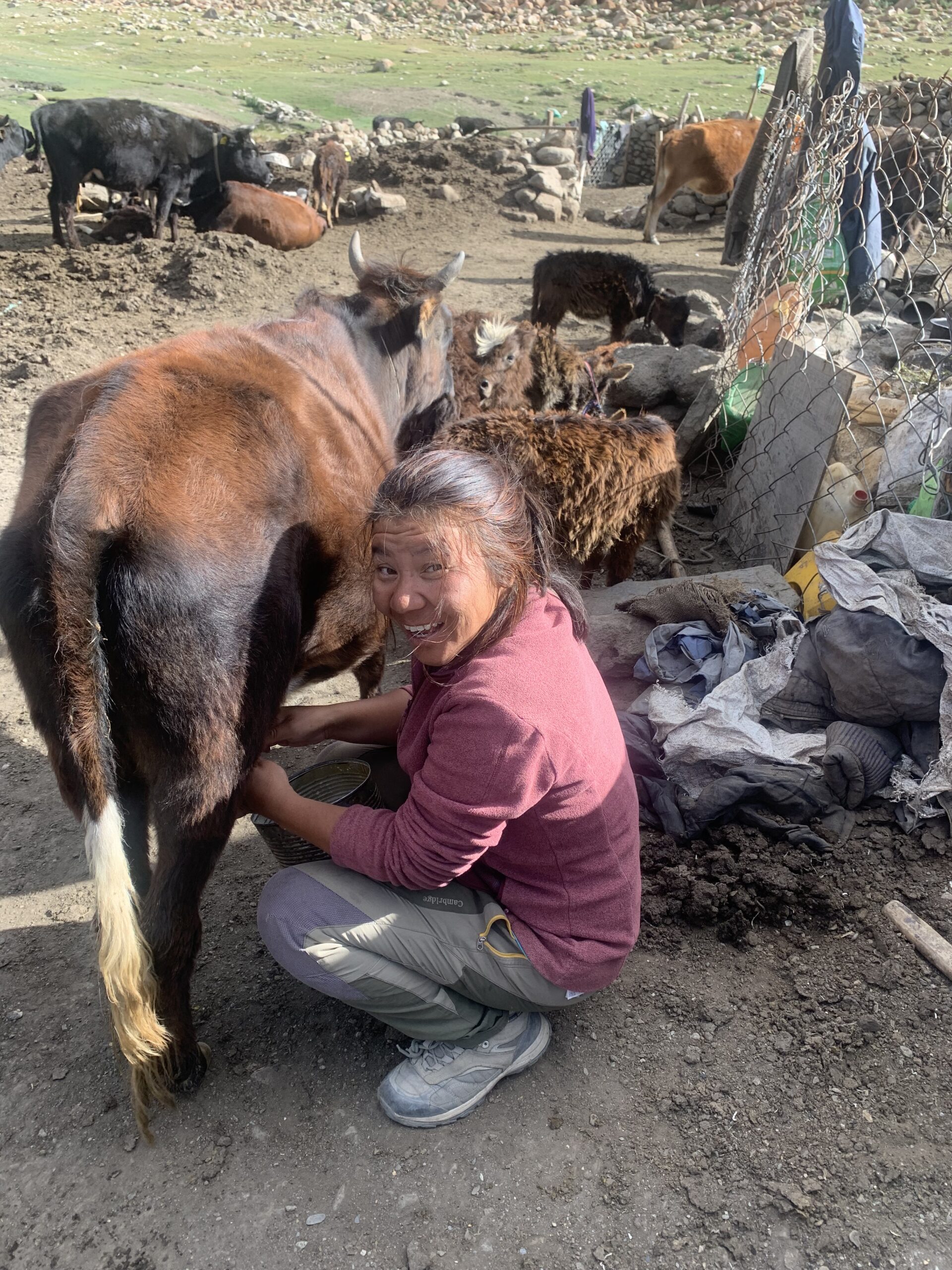
A dramatic finish crossing Stok La into Stok village.
Leh → Lamayuru (3,550m) → Wanla (3,170m)
Drive to Lamayuru, visit monastery, cross Prinkiti La (3,730m), descend to Wanla. 3–4 hours.
Wanla → Urtsi (3,640m)
Ridge walk via Bumiktse La (3,960m). Remote trails with mountain views. 6–8 hours.
Urtsi → Hinju (3,870m)
Shorter day, gradual ascent and village exploration. 2–3 hours.
Hinju → Sumdah-Chenmo (3,940m)
Steep climb to Konzke La (4,950m), descend to village. 9–11 hours.
Sumdah-Chenmo → Chilling (3,210m) → Leh
Cross Lanak La (4,210m) and Dundunchen La (4,620m), drive back. 7–9 hours.
Chilling → Skiu (3,350m)
Drive + rest/acclimatisation day
Skiu → Shingo (4,150m)
Gradual valley ascent. 4–5 hours.
Shingo → Yurutse / Rumbak (4,090m / 3,870m)
Cross Ganda La (4,850m). 5–7 hours.
Rumbak → Stok (3,690m) → Leh
Cross Stok La (4,850m), descend and drive back. 7–9 hours.
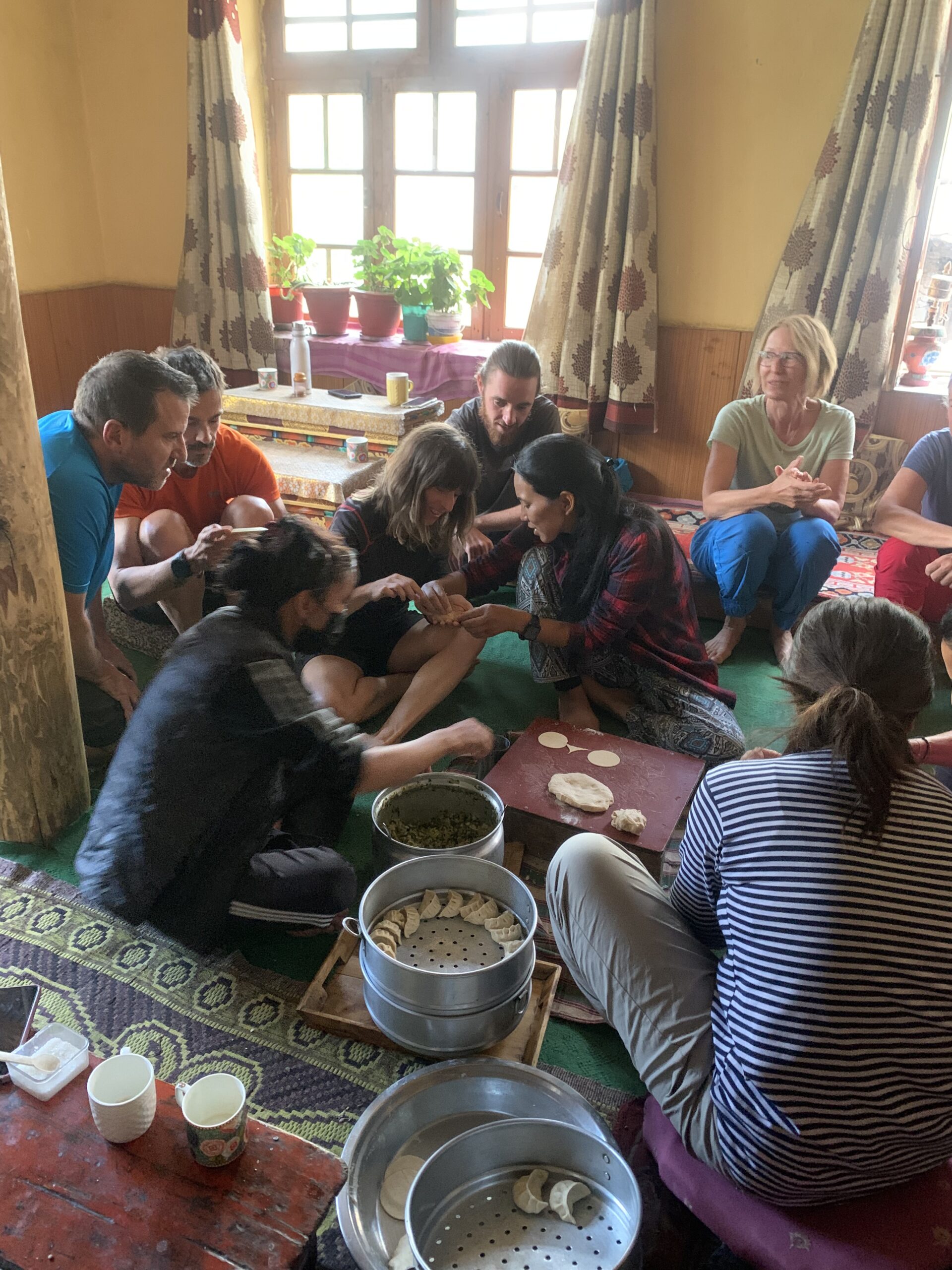
Continues through Markha Valley with high-altitude camping at Nimaling.
Leh → Lamayuru (3,550m) → Wanla (3,170m)
Drive to Lamayuru, visit monastery, cross Prinkiti La (3,730m), descend to Wanla. 3–4 hours.
Wanla → Urtsi (3,640m)
Ridge walk via Bumiktse La (3,960m). Remote trails with mountain views. 6–8 hours.
Urtsi → Hinju (3,870m)
Shorter day, gradual ascent and village exploration. 2–3 hours.
Hinju → Sumdah-Chenmo (3,940m)
Steep climb to Konzke La (4,950m), descend to village. 9–11 hours.
Sumdah-Chenmo → Chilling (3,210m) → Leh
Cross Lanak La (4,210m) and Dundunchen La (4,620m), drive back. 7–9 hours.
Chilling → Skiu → Sara (3,570m)
Drive + easy valley walk. 3–5 hours.
Sara → Markha (3,770m)
Scenic valley walk. 3–4 hours
Markha → Hankar (4,240m)
Gradual ascent with Kang Yatse views. 3–4 hours.
Hankar → Nimaling (4,740m)
High-altitude camp. 5–6 hours.
Nimaling → Chogdo (3,740m)
Cross Gongmaru La (5,260m). 5–7 hours.
(10-day option: return to Leh | 11-day option: overnight)
(optional)
Chogdo → Leh
Drive back with monastery visits
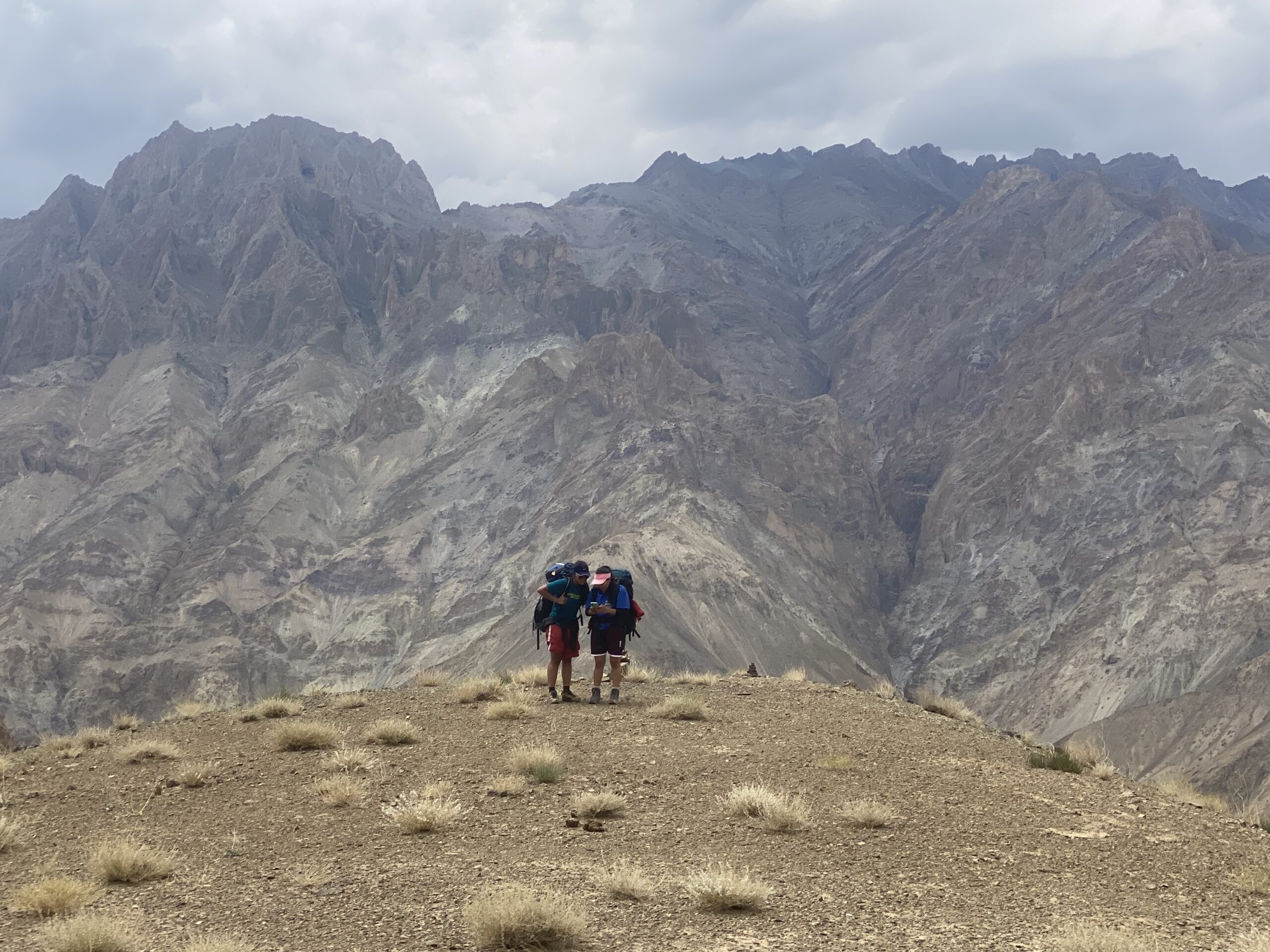
The most complete route combining Sham, Lamayuru, and full Markha Valley.
Leh → Likir (3,530m) → Yangthang (3,590m)
Visit monastery, cross Pobe La and Charatse La. 4–6 hours
Yangthang → Ang (3,400m)
Cross Sarmanchan La and Lago La. 6–8 hours.
Ang (3,400m)
Acclimatisation walk via Temisgang and nearby villages. 5–6 hours.
Hinju → Sumdah-Chenmo (3,940m)
Steep climb to Konzke La (4,950m), descend to village. 9–11 hours.
Hinju → Sumdah-Chenmo (3,940m)
Steep climb to Konzke La (4,950m), descend to village. 9–11 hours.
Sumdah-Chenmo → Chilling (3,210m) → Leh
Cross Lanak La (4,210m) and Dundunchen La (4,620m), drive back. 7–9 hours.
Chilling → Skiu → Sara (3,570m)
Drive + easy valley walk. 3–5 hours
Sara → Markha (3,770m)
Scenic valley walk. 3–4 hours.
Markha → Hankar (4,240m)
Gradual ascent with Kang Yatse views. 3–4 hours.
Hankar → Nimaling (4,740m)
High-altitude camp. 5–6 hours.
Nimaling → Chogdo (3,740m)
Cross Gongmaru La (5,260m). 5–7 hours.
(10-day option: return to Leh | 11-day option: overnight)
(optional)
Chogdo → Leh
Drive back with monastery visits
optional)
Chogdo → Leh
Drive back.
· Homestays in remote villages · Basic facilities (no running water, compost toilets) · Fresh, home-cooked Ladakhi meals
· Lamayuru routes: minimum 4 days in Leh · Likir routes (easy start): minimum 3 days in Leh
What to Bring
The key to staying comfortable on a trek is layering. Suggested items:
• Boots — comfortable, sturdy hiking boots (the single most important item)
• Backpack or daypack; sandals for stream crossings
• Quick-dry trekking trousers (plus a spare pair) and layering tops
• Thermal underclothes (a necessity off-season, Sep–Jun)
• Warm lightweight fleece; lightweight wind-/rain-proof jacket
• Down jacket (recommended for treks via Nimaling tented camp)
• Sun hat, sunglasses, sunscreen, chapstick; off-season add wool hat, gloves, scarf
• Cotton scarf for wind/dust protection
• Trekking poles (if you use them); gaiters if snow on high passes
• Quick-dry towel, soap, moisture cream, toilet paper
• Flashlight, first aid kit, camera and spare batteries
• Water bottles — 2–3 litres capacity, aluminium or Nalgene (homestays provide hot water)
• Water purification tablets or a good filter (not readily available in Leh)
• Sleeping bag liner (optional — useful as no top sheet at homestays)
• Socks — 2 pairs outer, 1 pair liner
• Snacks such as dried fruit and nuts
Sleeping bags are generally not necessary — homestays provide bedding. The exception is treks via Nimaling tented camp: bring a light sleeping bag for Jul/Aug, or a good one for other months.
Plastic bottle ban in Leh. Use reusable bottles only. Many items above can be purchased or hired in Leh. LWTC has fleece sleeping bag liners, trekking poles and water bottles for hire.
Green note: Use rechargeable batteries whenever possible. If you must use disposable batteries, please take used ones home to dispose of safely.
Water — Help the Environment
Don't buy mineral water in plastic bottles. Some guesthouses in Leh provide filtered water; you can also fill up at the Dzomsa Laundry for a small charge. Homestays provide filtered or boiled water. Purification tablets or a good filter will save you money and reduce plastic waste.
Altitude Sickness
Leh sits at 3,500m. Rest on arrival day and drink lots of water. Do not start a trek until at least day four.
Suggested acclimatisation:
Day 1 — Rest at your guesthouse.
Day 2 — Explore Leh on foot, take it easy.
Day 3 — Walk around Leh or do a monastery day-tour.
Day 4+ — Begin your trek.
Prevention:
Go slowly, drink lots of water, listen to your body. Mild symptoms (headache, nausea, fatigue, dizziness) usually resolve with rest at the same altitude.
Severe symptoms may indicate HACE or HAPE — descend immediately. These are life-threatening conditions.
Rabies
We strongly recommend being vaccinated against rabies before visiting Ladakh. There are many stray dogs — be particularly careful in the evenings in Leh.
Cultural Considerations
Respect the rights and beliefs of local people and minimise your cultural and environmental impact.
• Dress modestly — cover shoulders and legs (both men and women). T-shirts and trousers or long skirts are recommended.
• Don't encourage begging — rather than giving pens, money or sweets directly to children, consider donating to a local organisation.
• Leave nothing but footprints — avoid plastic bottles; refill your own with boiled, filtered or treated water.
• Visiting a Ladakhi home — remove your shoes before entering; do not sit on the low-level tables.
Deposit & Balance
A non-refundable 25% deposit is required to confirm any booking. All deposits include 5% GST.
Booking in advance: Deposit must be paid directly to our bank account (no PayPal). Any bank charges incurred by us will be added to the cost.
Booking in Leh:
Deposit must be paid in cash (INR) at our office.
For international transfers we recommend Wise (formerly TransferWise) or Western Union for fast, affordable payments.
If transferring within 3 weeks of the start date, do not use a bank-to-bank transfer — it takes too long. Use an online transfer service instead.
Balance: The remainder must be paid in cash (INR) at our Leh office by 2pm the day before trek start. For Snow Leopard treks, payment is required 3 days before. We do not accept foreign currency, cards, or travellers cheques. ATMs and money exchanges are close to our office.
Cancellation
Day before start: 50% of total cost required (less any deposit already paid). Also applies when required ILP documents are not provided in time.
Day of start: No refund, apart from any unused accommodation/food (if not pre-booked) and unused end-of-trek taxi cost. No taxi refund for tours or one-day treks.
Delayed Start & Early Return
Delayed start: We will try to accommodate you, but if we have another booking (especially Jul–Aug) the end date may not change. The trek will be shorter with no refund apart from unused accommodation/food.
Early return: Unused accommodation/food expenses refunded (if not pre-booked), but you are responsible for any extra costs involved.
Insurance
We strongly recommend personal travel, medical and cancellation insurance. Bring any special medicines you need.
Ensure your policy covers high-altitude trekking up to the maximum height on your trek. Adequate cover is your own responsibility.
What's Included — Homestay Treks
1 guide; 3 meals per day (packed lunch first & last day)
Homestay accommodation (tented camp at Nimaling)
Food & accommodation for staff; wildlife & trekking fees
Monastery entry fees as per itinerary
Transport to/from Leh on agreed dates; 5% GST
Not included: mineral water, soft/alcoholic drinks, snacks, air tickets, travel insurance, items not listed above.
Porter: Quoted separately. Includes porter's food, accommodation, and 5% GST.
Note: Prices are per person, not per room. You may need to share during busy periods.
What's Included — Day Tours
1 guide; lunch; monastery entry fees as per itinerary
Taxi for the duration; 5% GST
Not included: all drinks and snacks, air tickets, transport/detours not in itinerary, travel insurance.
What's Included — Overnight Tours
1 guide; 3 meals per day (lunch to lunch); filtered/boiled water and tea with breakfast
Homestay or guesthouse accommodation as specified
Food & accommodation for staff; entry fees as per itinerary
Taxi for duration (inc. Leh pickup & drop-off)
Environment fees; Inner Line Permit*; 5% GST
Not included: hot drinks (except breakfast tea), mineral water, soft/alcoholic drinks, snacks, air tickets, transport not in itinerary, travel insurance.
*Inner Line Permit: Non-Indian nationals need a passport. Indian nationals need one of: Passport, Driving Licence, Service ID (Central/State/PSU), PAN Card, Aadhar Card, NPR Smart Card, or Election ID Card. Bring appropriate ID — it is your responsibility.
Other Costs Not Included
Camera/video fees; tips
Extra costs from unavoidable circumstances (evacuation, weather delays, illness)
Expenses not in the itinerary (pony hire, taxi detours, extra entrance fees)
Staff dismissal en route — clients pay return costs for dismissed staff
We reserve the right to pass on any increase in costs (accommodation, taxis, fees).
Let's design your perfect Ladakh journey together.